Information
Landmark: Puka PukaraCity: Cusco
Country: Peru
Continent: South America
Puka Pukara, Cusco, Peru, South America
Puka Pukara is an Inca archaeological site located near Cusco, Peru, within the Sacred Valley. Its name, Puka Pukara, translates to "Red Fortress" in Quechua, referring to the reddish tint the site’s stones sometimes take on in the setting sun. While commonly referred to as a "fortress," Puka Pukara is a complex site whose exact function remains somewhat mysterious. It is part of the network of Inca sites that surround Cusco, and it is an essential piece of the Inca military, religious, and administrative landscape.
1. Historical and Cultural Significance
- Strategic Location: Puka Pukara’s location on a high plateau overlooking the Sacred Valley suggests it was strategically important for controlling the surrounding area. It is believed to have been part of a larger network of military and ceremonial sites that helped secure the Inca Empire’s capital, **Cusco.
- Military or Administrative Role: Puka Pukara is often referred to as a fortress due to its fortified walls, watchtowers, and commanding views. However, some archaeologists suggest it may have also functioned as a military post or administrative center used by the Inca to monitor movement in and out of Cusco or to control important trade routes.
- Resting Place for the Inca Elite: There is a theory that Puka Pukara might have also been a resting area for Inca nobility and travelers on the way to other important sites in the region, such as Tambomachay or Sacsayhuamán. Its strategic location on the road leading to the sacred site of Machupicchu may also indicate it had religious significance.
- Cultural Intersection: It is thought that Puka Pukara may have been involved in ceremonies related to sun worship or other Inca rituals that took place at other nearby sites like Tambomachay. It is part of the Cusco Archaeological Park, which encompasses several important Inca ruins in the area.
2. Architecture and Layout
Puka Pukara is built using typical Inca stonework and is characterized by well-crafted walls and well-defined structures.
a. Walls and Stonework
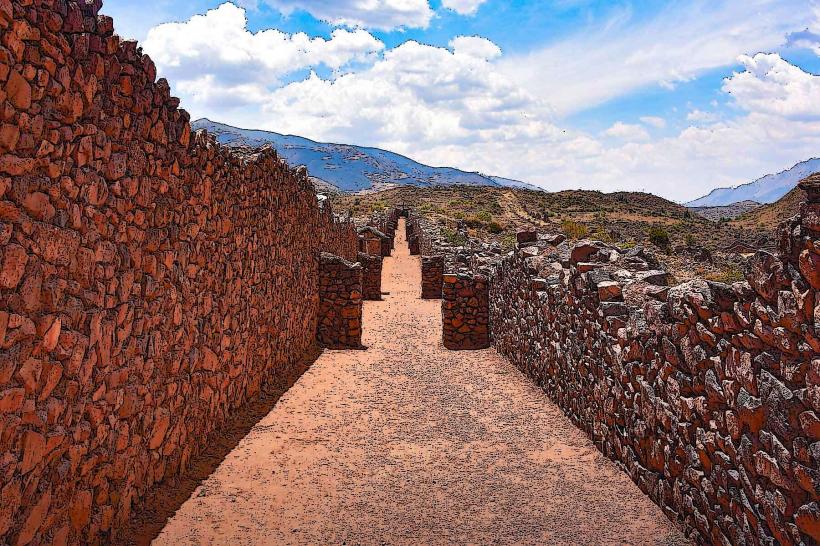
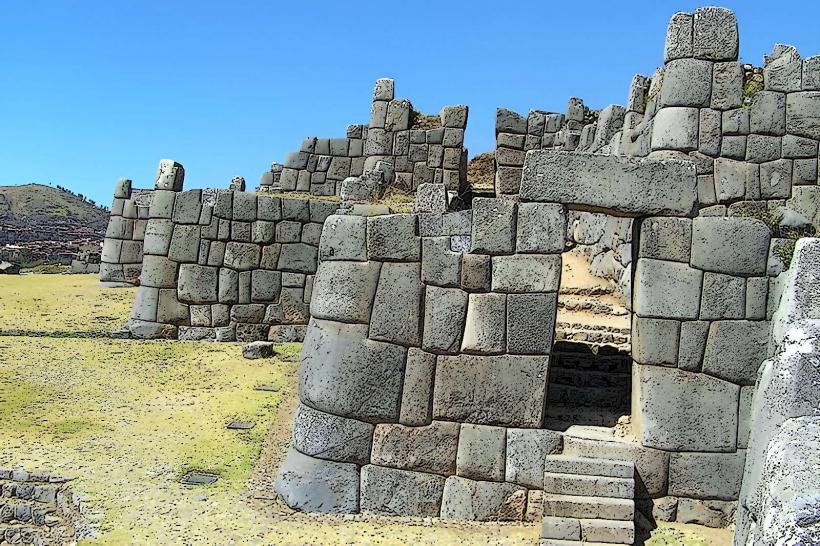
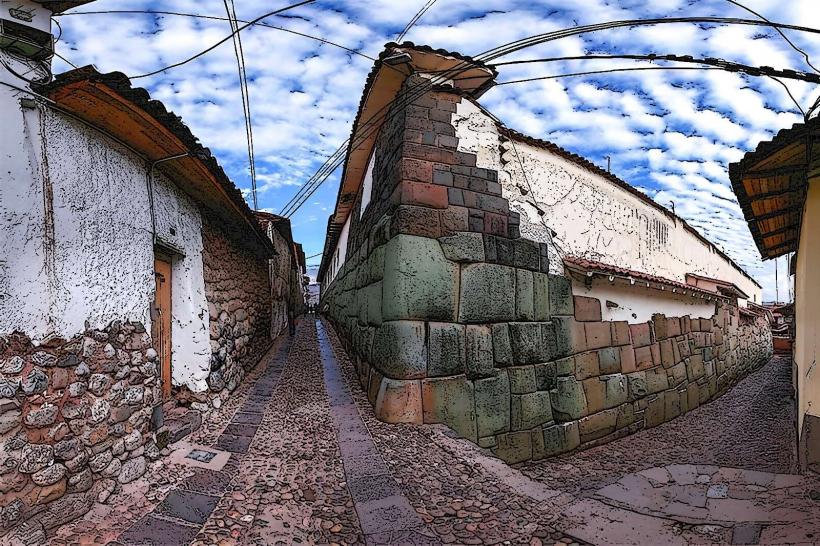
- Rough, Unfinished Stones: Unlike other Inca sites like Sacsayhuamán, which are famous for their precisely cut stones, Puka Pukara features stones that are roughly hewn. The stones are still well-fitted together, but the craftsmanship is more basic compared to other Inca constructions.
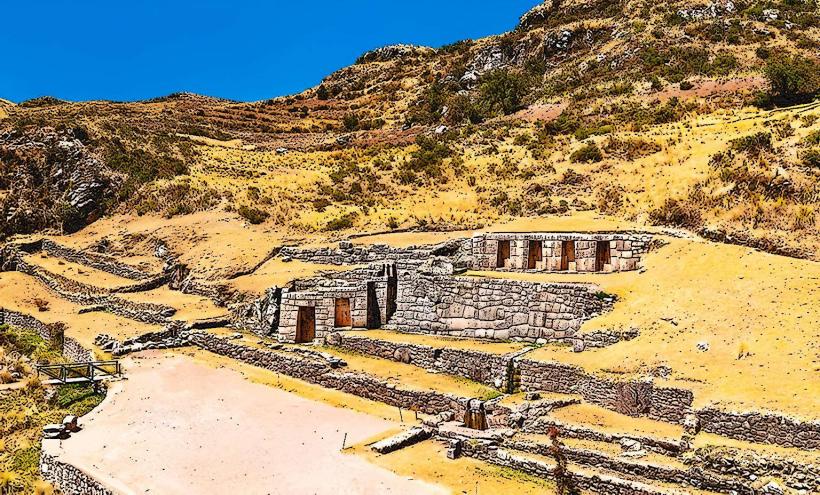
- Terracing: The site includes a series of terraces, which were likely used for various purposes such as agriculture or ceremonial rituals. The terraces follow the natural topography of the area, and their integration with the landscape is characteristic of the Inca ability to harmonize with nature.
- Watchtowers: Puka Pukara features several watchtowers that offer a panoramic view of the surrounding region. These towers would have allowed the Incas to monitor the movement of people and goods in the area, especially those traveling between Cusco and the Sacred Valley.
b. Waterworks
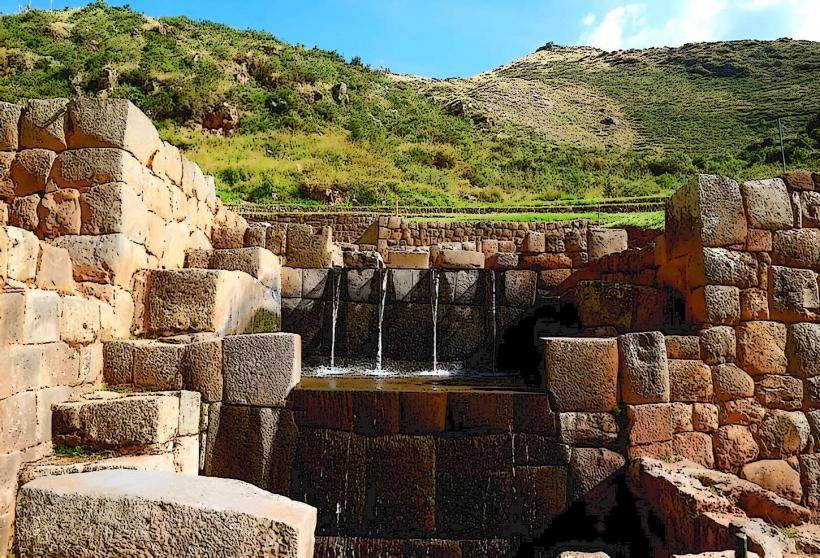
Puka Pukara also features a water channel system, possibly for ceremonial purposes or for practical uses like irrigation. Water may have been important for ritualistic purposes, and the site’s water systems may have played a role in connecting Puka Pukara with nearby sites like Tambomachay, which was dedicated to water worship.
c. Courtyards and Gateways
The site includes several courtyards and gateways that might have served as spaces for gatherings or rituals. These open areas are connected by narrow passageways and stairs, reflecting the complex and multi-functional nature of the site.
3. Purpose and Function
The purpose of Puka Pukara remains a subject of debate among archaeologists, but several theories suggest different functions:
- Military Post or Fortress: Puka Pukara is often referred to as a fortress because of its defensive features. The walls, watchtowers, and commanding position suggest that the site was used to control access to Cusco or to provide protection to the Inca capital.
- Resting Place or Administrative Center: Puka Pukara may also have served as a resting place or a transit point for the Inca nobility and officials traveling between important Inca centers. The site’s proximity to Tambomachay and Sacsayhuamán further supports this idea.
- Ceremonial Site: Some scholars believe that Puka Pukara had a religious or ceremonial function, related to the worship of water, fertility, or the Inca sun god, Inti. The waterworks and its proximity to other ceremonial sites like Tambomachay and Sacsayhuamán might suggest that the site was connected to Inca rituals.
4. Destruction and Spanish Conquest
Puka Pukara, like many other Inca sites, suffered from the effects of the Spanish conquest. The Spanish colonizers damaged or dismantled many of the Inca structures and repurposed the stones for building colonial structures. However, despite these damages, much of the site’s main walls and features still stand today, giving visitors a glimpse into the ancient Inca world.
5. Modern-Day Puka Pukara
- Tourist Site: Today, Puka Pukara is an important tourist destination within the Cusco Archaeological Park. Visitors often visit the site as part of tours that include Sacsayhuamán, Qenqo, Tambomachay, and other nearby Inca ruins.
- Preservation and Restoration: Efforts have been made to preserve the ruins of Puka Pukara, ensuring that its walls, terraces, and other architectural elements remain protected for future generations. Though not as well-preserved as some of the more famous Inca sites, Puka Pukara still offers an intriguing look into Inca history and engineering.
6. Visitor Experience
- Guided Tours: Visitors can take guided tours of the site to learn more about its history and significance. Guides typically explain the site’s role in Inca society, its military or administrative functions, and its connection with nearby sites like Tambomachay and Sacsayhuamán.
- Photography and Views: The site offers panoramic views of the Sacred Valley and the surrounding landscapes, making it a great spot for photography. The combination of historical ruins and natural beauty creates a unique experience for visitors.
- Cultural Insight: Visitors can gain insight into the Inca’s military, architectural, and religious practices while exploring the remains of Puka Pukara. The site offers a more peaceful and less crowded alternative to some of the larger Inca ruins in the area.
7. Conclusion
Puka Pukara remains an essential part of the Sacred Valley's rich archaeological landscape. While its precise purpose is still debated, the site’s strategic location, waterworks, and fortified walls provide valuable insight into the Inca Empire's military, religious, and administrative systems. Today, it is an important tourist destination that offers visitors a chance to explore an ancient Inca fortress, while also providing stunning views of the surrounding Sacred Valley. Puka Pukara’s preserved ruins continue to captivate visitors and serve as a testament to the Inca’s advanced architectural and engineering skills.